New Report Reveals How Airports Can Successfully Scale Electrified GSE Fleets in 2027
The report from electrification partner Enatel draws on industry expertise, data and research to outline how airports can successfully transition to electric ground support equipment in 2027.
CHRISTCHURCH, New Zealand, Sept. 1, 2026 /PRNewswire/ -- Airports across the world are adopting electric ground support equipment (eGSE), and a new report reveals unique barriers depending on operation size. Enatel, a global leader in electrification solutions, today launches The Global State of Airside Electrification: From Commitment to Operational Reality, backed by industry data, case studies and interviews.
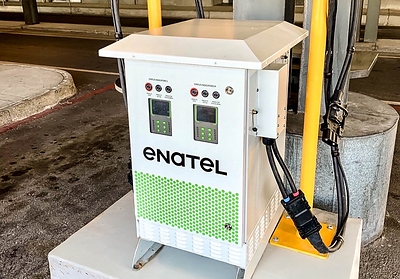
The report finds that electrification is accelerating globally, but airports face different execution challenges depending on scale. From power availability constraints at major hubs to knowledge and planning gaps at regional operations, both need actionable guidance to move from commitment to execution and meet sustainability goals.
The insights come at a pivotal time. A recent survey by Ground Support Worldwide found that nearly 65% of airports intend to invest in eGSE fleets over the next five years to meet sustainability targets, improve operational efficiency and comply with new regulations. However, over 70% of respondents indicated their current charging infrastructure is lacking.
"The question for most airports is no longer whether to electrify, it's how to plan and grow new electric GSE fleets effectively," said Mike Clifford, General Manager of Enatel. "This report explores how GSE operators should prioritize infrastructure strategies and long-term implementation planning."
Key Insights from the GSE Report
From large international airports to smaller regional hubs, airside ground support equipment electrification is gaining momentum globally. The report finds that some of the biggest opportunities and challenges for the industry include:
- New methods to respond to power limitations, including battery energy storage systems, can reduce peak demand and lower total system costs by up to $10 million for large US airports.
- Operators that adopt airport GSE battery charger partners early and develop long-term strategies are better positioned to scale electrification without disrupting day-to-day operations.
- Charging equipment reliability and durability are essential to long-term electrification success, particularly in demanding airport environments.
Industry Experts in the GSE Report
The report also highlights insights from airport operators and charging specialists around the world. Contributors include Tony Smith of Bahrain Airport Services, who provides perspective on a real-world charging case study, along with other experts from Deerns, FastCharge, Enatel, and IDEAL Industries.
"This report provides airport operators with the strategies they need to move from electrification commitment to scalable execution," said Rachel Whitehead, Director of Marketing and Product at Enatel. "Infrastructure decisions made today will support long-term electrification success."
Read the report here.
About Enatel®
Enatel is a global leader in advanced battery charging technology designed for industrial vehicles. With more than 200,000 chargers deployed globally, they design and manufacture efficient, scalable charging solutions used across the material handling equipment, ground support equipment, and AGV industries. Enatel is headquartered in New Zealand and is part of the IDEAL Industries Inc. family of companies.
Media Contact:
Kaitlin Liebling
Kaitlin.Liebling@idealindustries.com

 View original content to download multimedia:https://www.prnewswire.co.uk/news-releases/new-report-reveals-how-airports-can-successfully-scale-electrified-gse-fleets-in-2027-302863073.html